


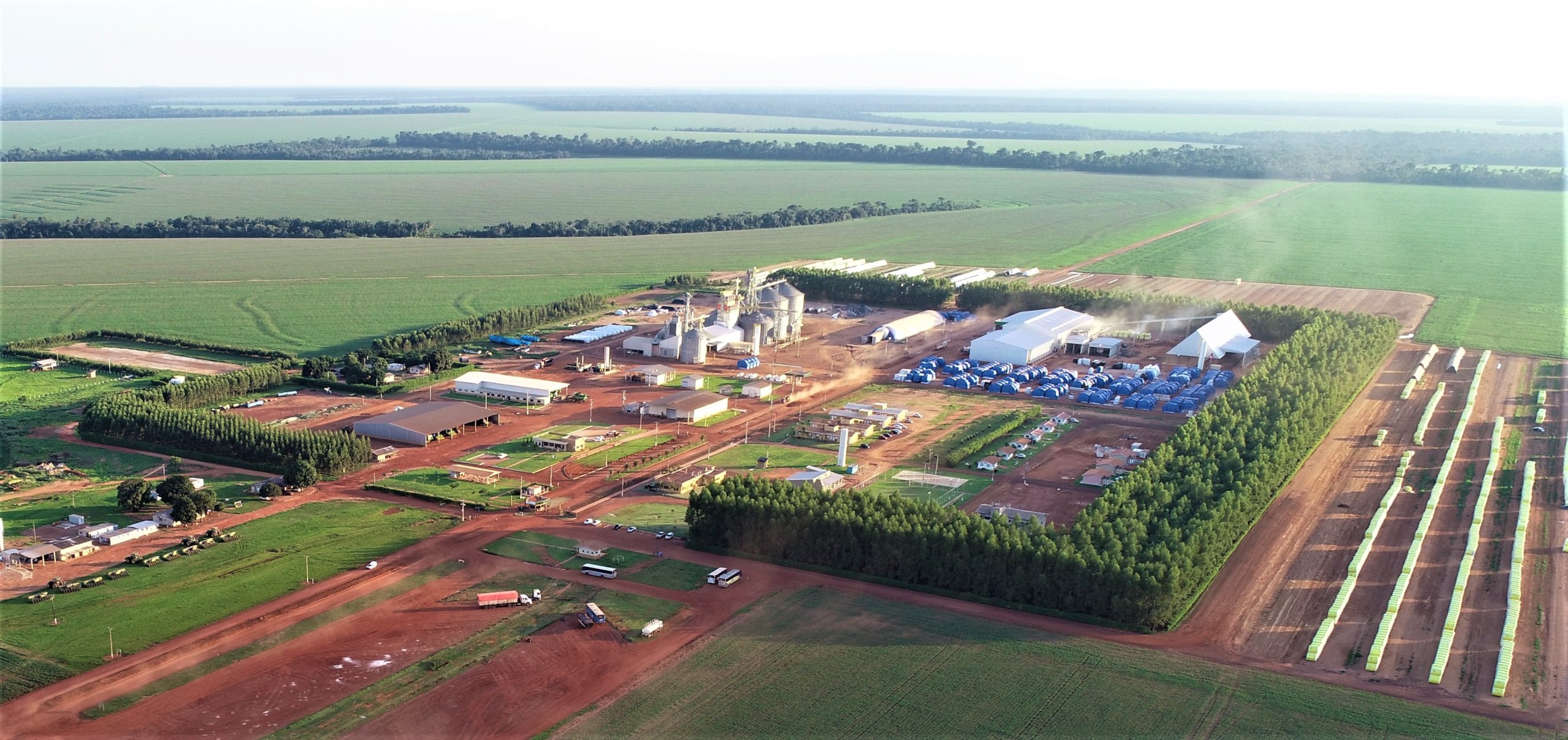



Soybeans are the economic foundation of Brazilian agribusiness and play a permanent strategic role in global geopolitics. With a market that never cools and Asian and European demand shaping Chicago (CBOT) prices, direct exporting is no longer optional. It has become the primary path to capturing the highest premiums and growing the farm's net profit.
1. The Engine of National Production
Brazil has firmly established itself as the world's top exporter of the bean. States like Mato Grosso, Paraná, and Goiás operate as production hubs on a continental scale (Paraná alone, for example, ranks as the second-largest producing origin in the international rankings).
1.1. The Price Formation Matrix
The price of a bag of soybeans isn't set by local rules. It's the direct result of macroeconomic forces. To turn a profit, a grower needs to master these variables:
Currency Leverage (PTAX)
The exchange rate is the margin's shock absorber. The stronger the dollar against the real, the more gross revenue flows straight into the crop's settlement.
Asian Demand
The appetite of China, the world's largest buyer, is the main benchmark for futures contracts and sets the premiums paid at Brazilian ports (basis).
Elevation Cost
The efficiency of logistics infrastructure (trucking and storage) drives competitiveness. Poorly planned logistics will eat away the currency gain.
Global Compliance (EU)
European environmental regulation creates a two-tier market, offering premiums and privileged access for soybeans sourced from auditable zero-deforestation areas.
2. The Commercial Supply Chain
Crop liquidity runs through three main players in the cash and over-the-counter market:
-
Grain Merchants and Cooperatives
The first link. They handle much of the origination, grading, silo storage, and regional logistics for growers who don't have their own storage.
-
International Trading Houses
The giants of global trade. They originate large volumes directly from farms or cooperatives to execute massive FOB and CIF export contracts.
-
Crushers
The domestic processing market. They buy the bean for intensive extraction of degummed oil and production of high-protein meal for animal feed.
3. The Port Logistics Hubs
If the grain doesn't move, there's no revenue. Export success inevitably runs through these vital arteries:
Paranaguá (PR)
The historic, essential logistics hub for moving production quickly out of southern Brazil and the Southern Cone.
Santos (SP)
The country's densest, busiest infrastructure, absorbing the massive volume from the Southeast and Center-West.
Itaqui (MA) / Northern Arc
The new frontier and a high-volume strategic alternative that eases freight costs for growers in MATOPIBA and the Center-West.
4. The Commercial Execution Matrix
For exports to turn into a stronger net margin on the farm's books, management execution must follow these protocols:
- Shorten the chain by trading directly and locking in basis with international trading houses.
- Systematically track the Chicago (CBOT) price curve against PTAX parity to trigger sell orders in the ideal window.
- Invest in data management and auditable ESG practices, positioning the farm to capture premiums in high-standard markets (Europe).
Take Control of Your Operation
Exporting demands predictability. See how the Pro Fazendas Bank ERP centralizes your costs, audits your crop, and strengthens your negotiating position in the global market.
Elevate Your Farm Management